
From facilities to families: Ensuring seamless growth for children of incarcerated mothers
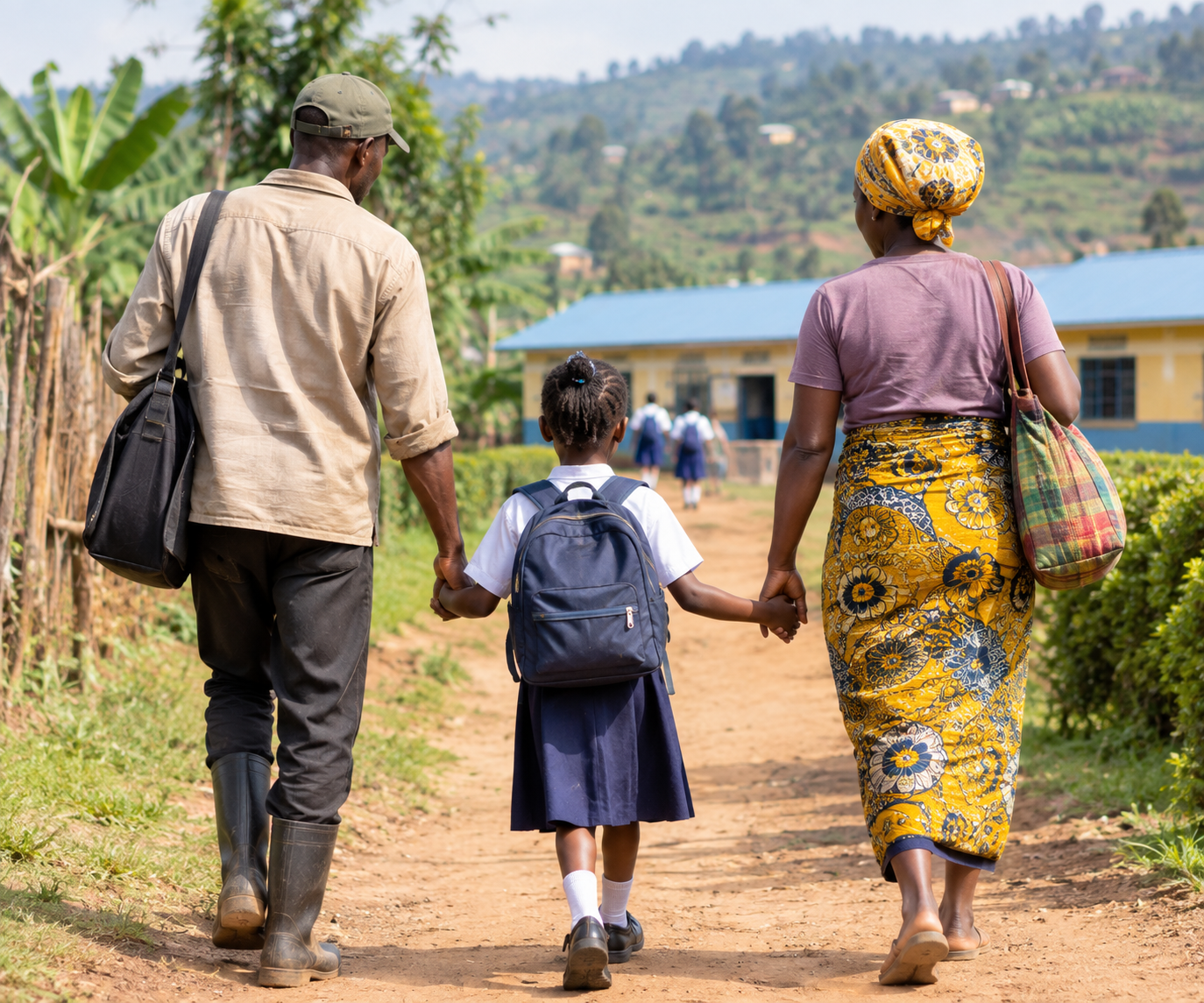
For many, it may seem like a life only partially lived for toddlers who do not have the opportunity to grow alongside their biological mothers during the early years when they begin to discover and learn the basics of life.
This is the reality for some children whose mothers are held in detention or correctional facilities. But legal frameworks and social services have been put in place to ensure they are well catered for.
The law N° 021/2022 of 29/09/2022 governing Rwanda Correctional Service, in its article 45 about the rights of a pregnant or breastfeeding woman and a child living with her mother in a correctional facility, says that a child under three (3) years old has the right to live with his or her mother.
The law gives a pregnant or breastfeeding woman incarcerated special treatment immediately after admission, taking into account her health condition.
Particularly, a child under three (3) years of age living with her incarcerated mother is entitled to adequate food for infants. When a child living with her incarcerated mother reaches three (3) years, he or she is sent to his or her family or to a foster family of her mother’s choice or chosen by the Government, when the child has no family to receive him or her.
According to Immaculée Mukankiriho, Child Justice and Abuse Prevention Specialist at the National Child Development Agency (NCDA), in cases involving children whose mothers are serving sentences in correctional facilities, NCDA works closely with Rwanda Correctional Service (RCS) to prepare both the mother and the family that will receive the child.
She explains that Rwanda prioritizes family-based care, which is why efforts are made to transition the child from the correctional facility into a family environment where he or she can continue to grow and develop.
“The procedure takes time. We prepare the mother for the fact that when the child reaches three years of age, he or she will be transitioned into a family setting. The mother suggests a family member, with the father given priority. In his absence, the child may be placed with the mother’s family or extended family. Where there is no family member available, we place the child under the care of Malaika Murinzi,” she explained.
However, Immaculée notes that the transition process can present challenges, particularly when mothers are reluctant to let their children leave the correctional facility.
“We understand that the first three years are a critical period for a child to bond with the mother through breastfeeding and experiencing her warmth and care. Beyond this period, it is important for the child to begin education and interact more with society experiences,” she explained.
NCDA conducts regular monitoring of the children’s wellbeing and facilitates opportunities for them to maintain contact with their mothers through visits.
When a mother is released from the correctional facility, NCDA conducts an assessment before facilitating reunification with her child. Where reunification is found to be appropriate, relevant child protection and welfare professionals work with the mother, caregiver and child to prepare for a safe and gradual transition.